Un itinerario alla scoperta di Noragugume
Noragugume è facilmente raggiungibile dalla superstrada 131, sia che si provenga da Abbasanta o da Macomer, e anche dalla provinciale 33 Nuoro-Ottana.
Arrivati nella piazza IV Novembre, cuore del paese, possiamo constatare una curiosa particolarità: nel raggio di pochi metri si trovano ben tre chiese! Secondo una leggenda quella della Vergine d’Itria fu edificata da una monaca, ricordata come Sa Monza santa, che, dopo aver vagato per diversi paesi della Sardegna col simulacro della Vergine, decise di fermarsi a Noragugume e di edificare la chiesa; quindi lanciò nello spiazzo tre arance, tre come le chiese, affermando che dove fosse caduta la prima avrebbe edificato quella della Itria.
Una inattesa conferma alla leggenda è venuta quando, negli anni 1984-1985, furono intrapresi all’interno della chiesa dei lavori di restauro: vicino all’altare fu rinvenuta, oltre alle sepolture di due sacerdoti, una tomba con uno scheletro femminile di persona consacrata.
Questa chiesa è di impianto gotico-catalano e presenta un piccolo loggiato laterale. La facciata ha una forma rettangolare rivolta a occidente, un portale ad arco a tutto sesto in trachite rossa e sul lato destro il campanile a vela. Nel loggiato laterale è presente un secondo ingresso; nell’architrave della porta, sempre in trachite rossa, è presente un’iscrizione che permette di datare l’edificio al 1623. L’interno è a navata unica, affiancata da due cappelle per parte e con al centro l’altare principale dove è presente un monumentale retablo ligneo, nella cui nicchia centrale si trova il gruppo statuario della Vergine d’Itria. Sono presenti altari lignei policromi anche nelle cappelle laterali e statue lignee spagnole risalenti al XVII secolo.
Di impianto gotico-catalano è anche l’adiacente chiesa di Santa Croce che – si desume da un’iscrizione sulla porta secondaria – risale al 1593. Sono presenti all’esterno elementi di decoro in trachite rossa lavorata e all’interno pregevoli sculture in legno policromo. La chiesa ospita la confraternita locale.
Al centro della piazza si affaccia, tra le due chiesette citate, la parrocchiale di San Giacomo, che è stata costruita nel 1960 in seguito alla demolizione di una preesistente chiesa dedicata ugualmente a San Giacomo il Maggiore. Grossolana e massiccia, per nulla ingentilita dal maestoso campanile che la fiancheggia, crea uno stridente contrasto con le altre due chiesette, veri gioielli di quell’arte rustica sviluppatasi tra Seicento e Settecento in Sardegna. All’interno ospita tuttavia la Fanciulla di Noragugume, una delicata statuina in legno, racchiusa in una teca ai piedi dell’altare maggiore, opera eseguita dal celebre artista nuorese Francesco Ciusa su commissione di un facoltoso noragugumese. La “fanciulla” è rappresentata distesa (lunga meno di 30 centimetri e alta 10) perché, sostiene lo studioso Roberto Concas, è un monumento funerario. In passato quasi dimenticata all’interno della parrocchia di San Giacomo – e chiamata S’Assuntedda perché si pensava rappresentasse la Madonna dormiente di Ferragosto –, è stata riscoperta e valorizzata di recente.
Alla periferia del paese, nei pressi del cimitero, si può accedere al punto panoramico Su Fronte ’e Santu Giuanne, dal quale la vista spazia sui territori dei paesi circostanti e poi fino ai monti della Barbagia e al Gennargentu. Da Noragugume prendiamo verso sud la strada provinciale 86 per Sedilo. Dopo circa un chilometro svoltiamo a sinistra e continuiamo per un chilometro e mezzo sino alla fine della strada dove si trova il nuraghe Tòlinu, a struttura complessa di notevoli dimensioni. Sorge imponente a picco sulla scarpata che precede la piana di Ottana. Oltre alla robusta torre principale comprende un singolare bastione che a nord si conserva per circa 8 m; da questo si stacca poi una struttura che si conclude con una torretta con tracce di una camera circolare. Gran parte dell’edificio è ancora interrata e si presenta di non facile lettura a causa del crollo soprattutto a sud. La grandiosità del monumento e la bellezza del paesaggio circostante (dal nuraghe lo sguardo spazia su tutta la vallata di Ottana) meritano però una visita!
Rientrati a Noragugume si segue la circonvallazione per raggiungere la provinciale 33 e, percorsi poco più di 3 km, sulla destra, in un terreno privato, possiamo visitare la tomba ad arcosoli di Sa Cresia Noa. La tomba si trova a circa 120 m dall’ingresso del tancato. Sembra una piccola caverna posta a 2 m sotto il piano di campagna, da dove si scende in una camera di forma rettangolare alta 2 m e larga 2,50, che presenta nei lati brevi e in quello di fondo delle nicchie ad arcosolio (una tipologia architettonica utilizzata per i monumenti funebri, soprattutto nelle catacombe). La tradizione locale ipotizza che si tratti di una tomba trasformata in una cappella, dedicata a Sant’Antonio. Ritornati sulla provinciale 33 si prosegue in direzione di Ottana.
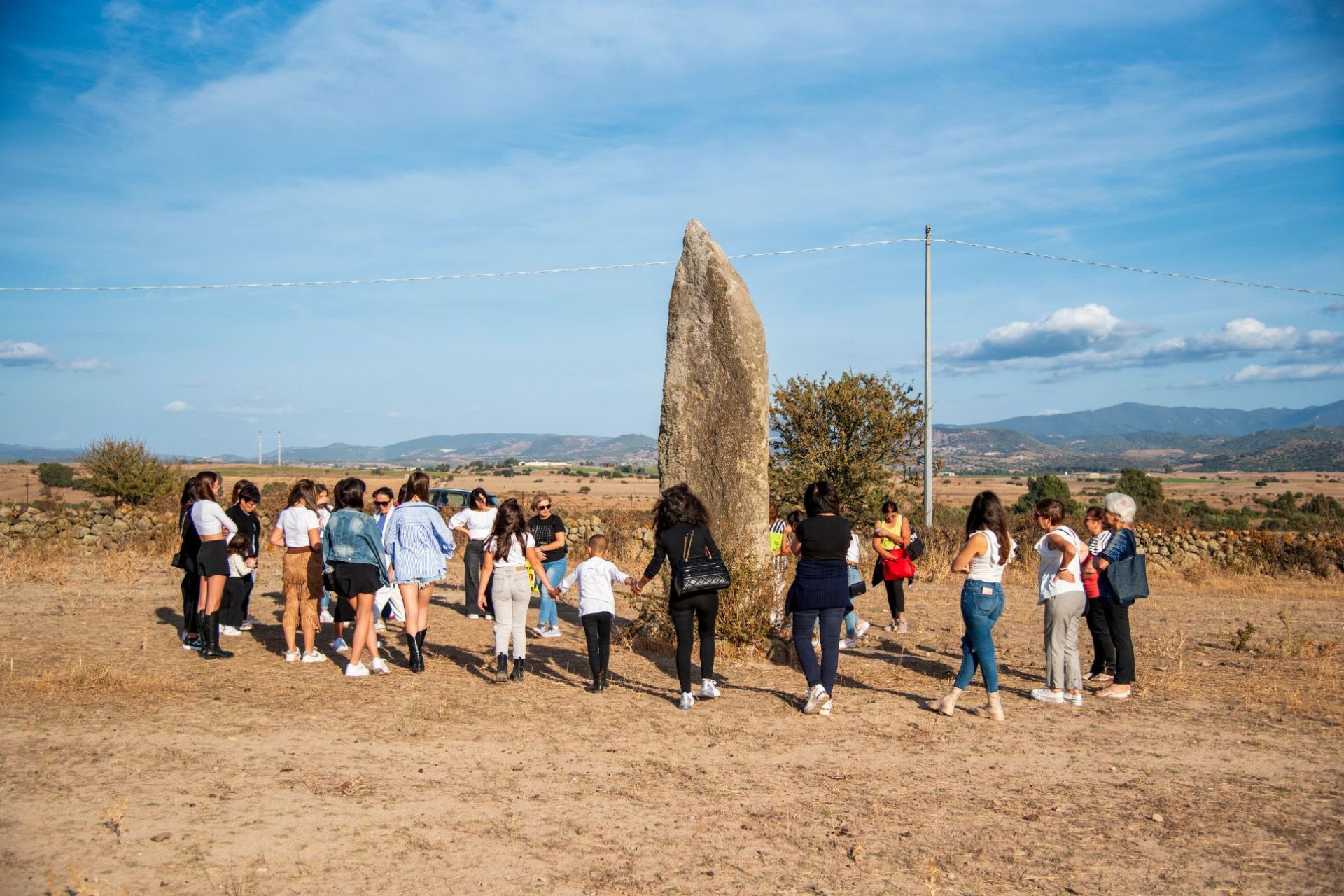
Percorso un altro km s’imbocca a destra una strada che si inoltra tra i campi. Dopo poco più di un km si intravede, isolato in un tratto pianeggiante, il menhir – o “pietra fitta” – Sa Perda ‘e Taleri: già studiato dal Lamarmora, è fra i più noti dell’isola. Il monolito in basalto presenta abrasioni diffuse ma appare ben conservato e lavorato con cura a martellina. Ha forma ogivale; è alto m 4,30 e ha una circonferenza massima di 3,05. Tutt’attorno e per un largo raggio si scorgono frammenti di macine e di pestelli nonché di ceramica non decorata, più una grande quantità di schegge di ossidiana. Il monumento è conosciuto anche come “la pietra di Giorgia Rajosa”, sulla base di una leggenda: una donna, Giorgia Rajosa appunto, mentre si recava in campagna per portare vivande ai familiari che mietevano nei campi, si rifiutò di dare del pane a un mendicante, affermando che nel canestro portava pietre e non cibo: e il medicante, che era Gesù Cristo, la trasformò nella Pietra di Taleri!
Gallery
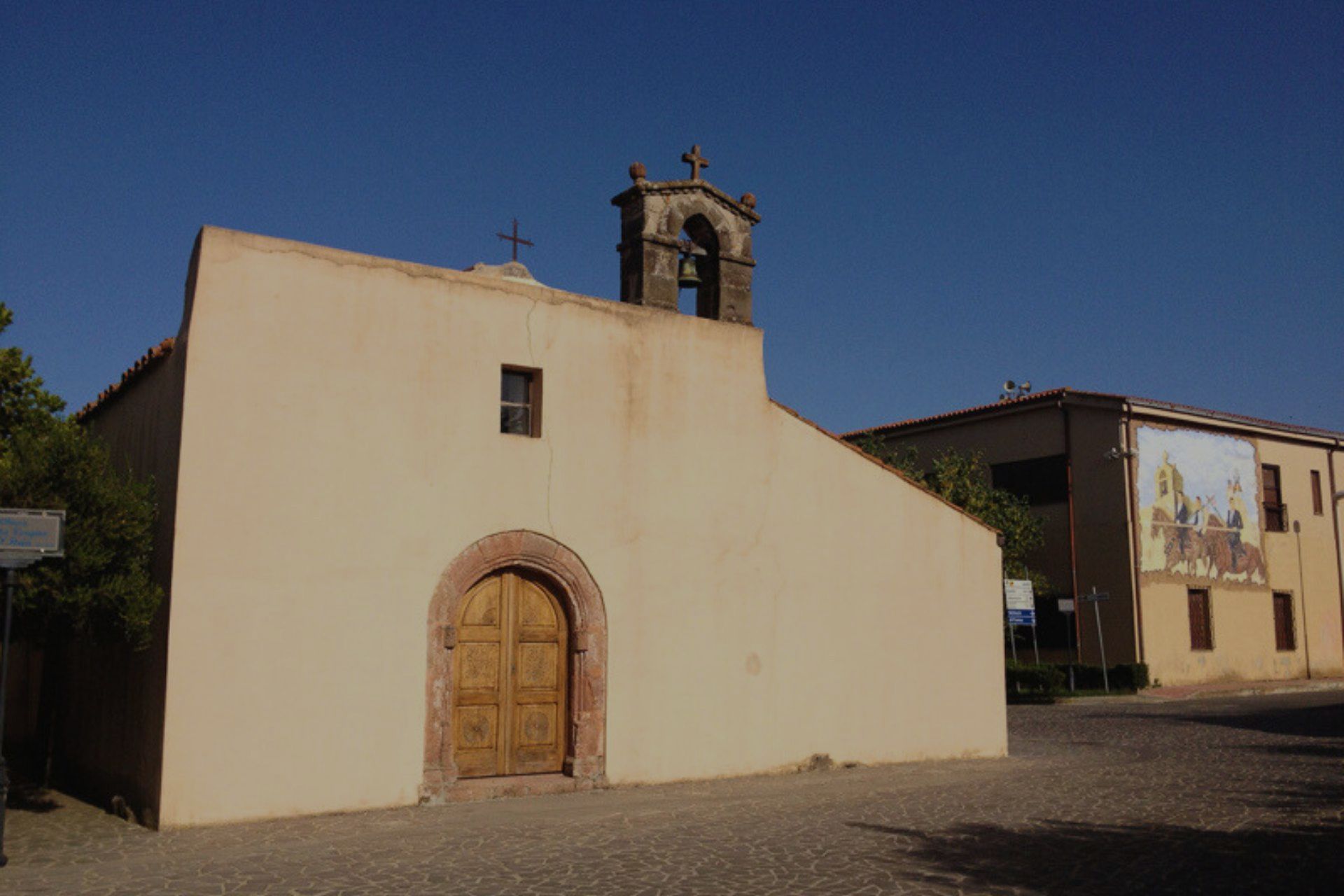
Chiesa della Beata Vergine d'Itria
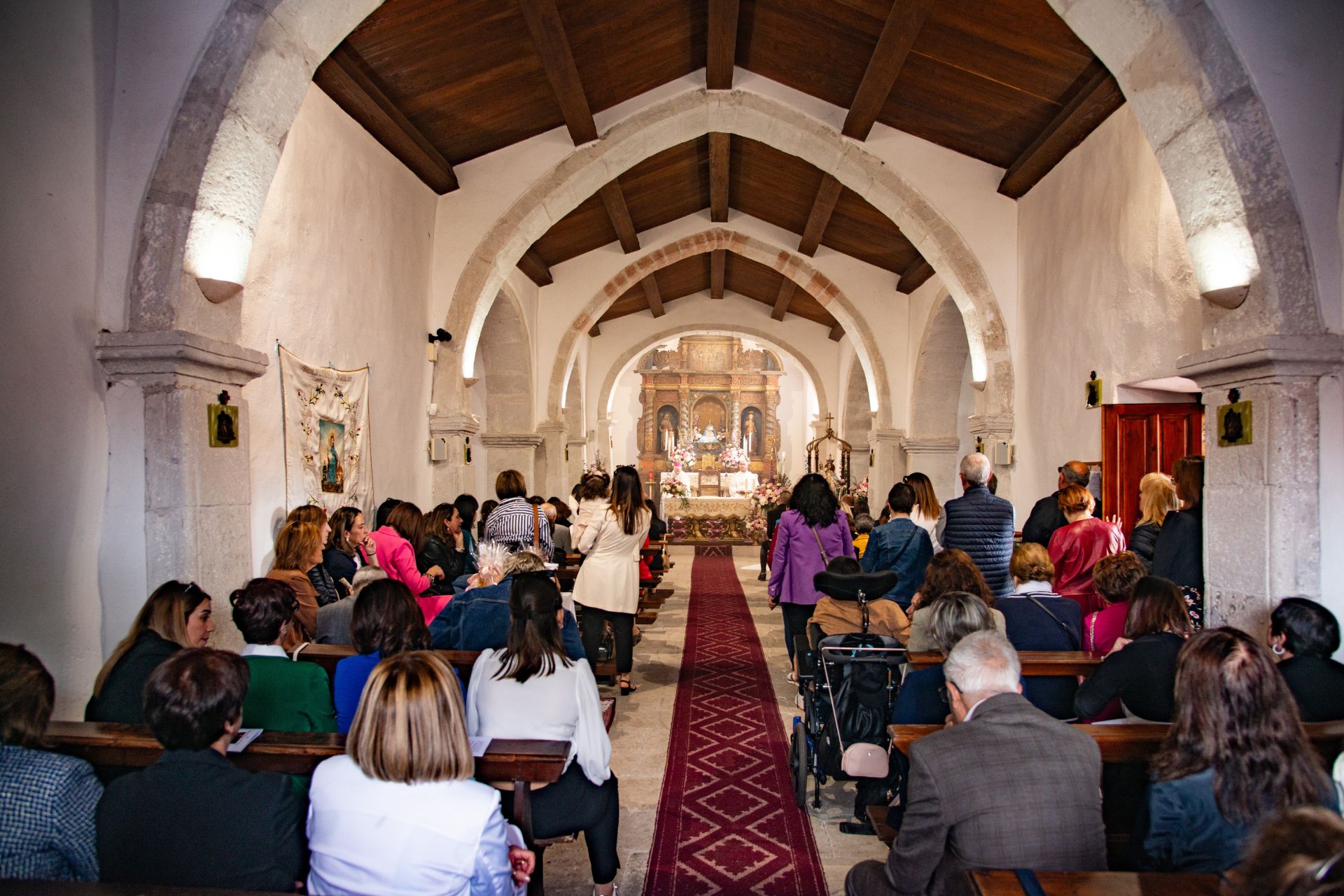
Interno Chiesa della Beata Vergine d'Itria
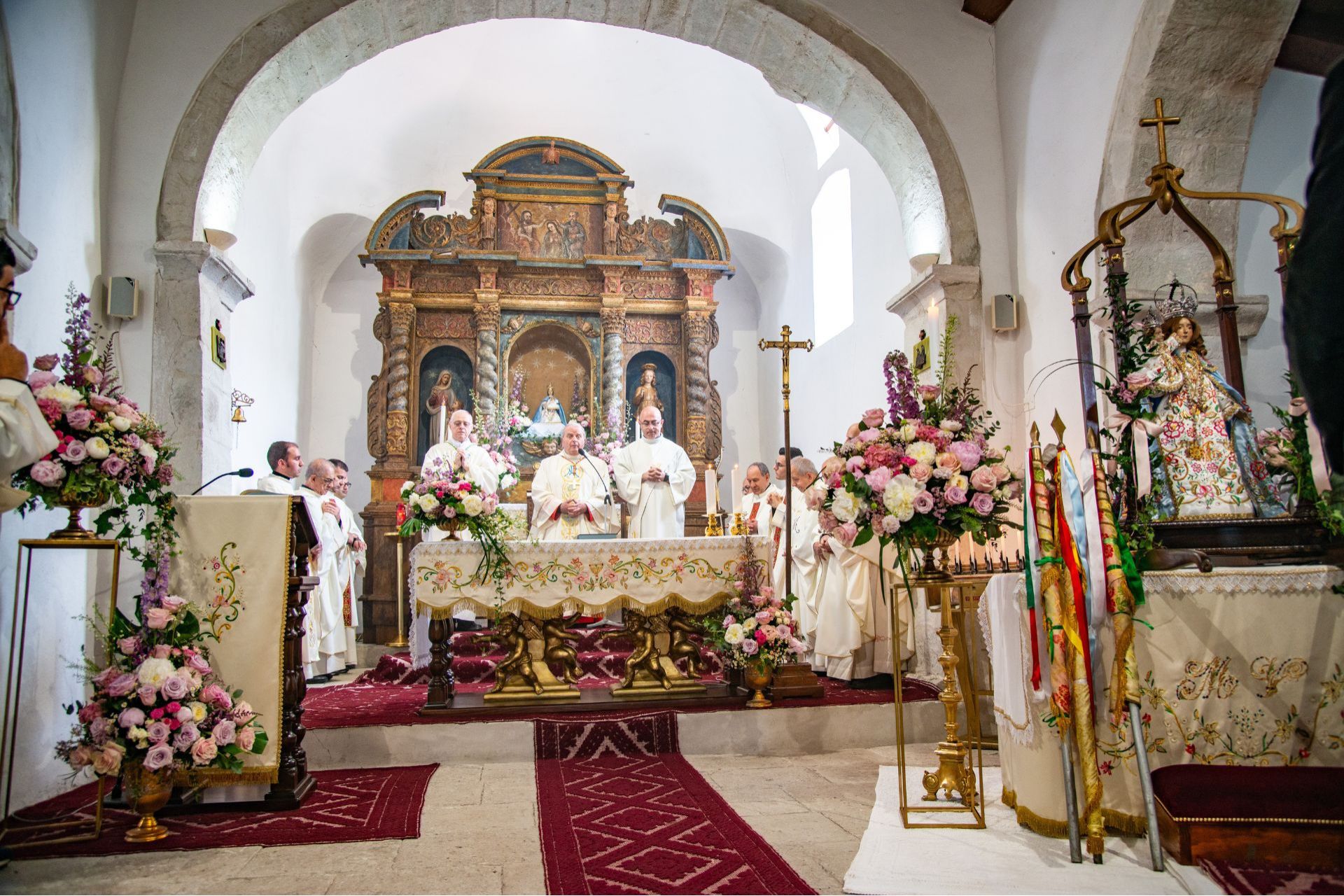
Interno Chiesa della Beata Vergine d'Itria
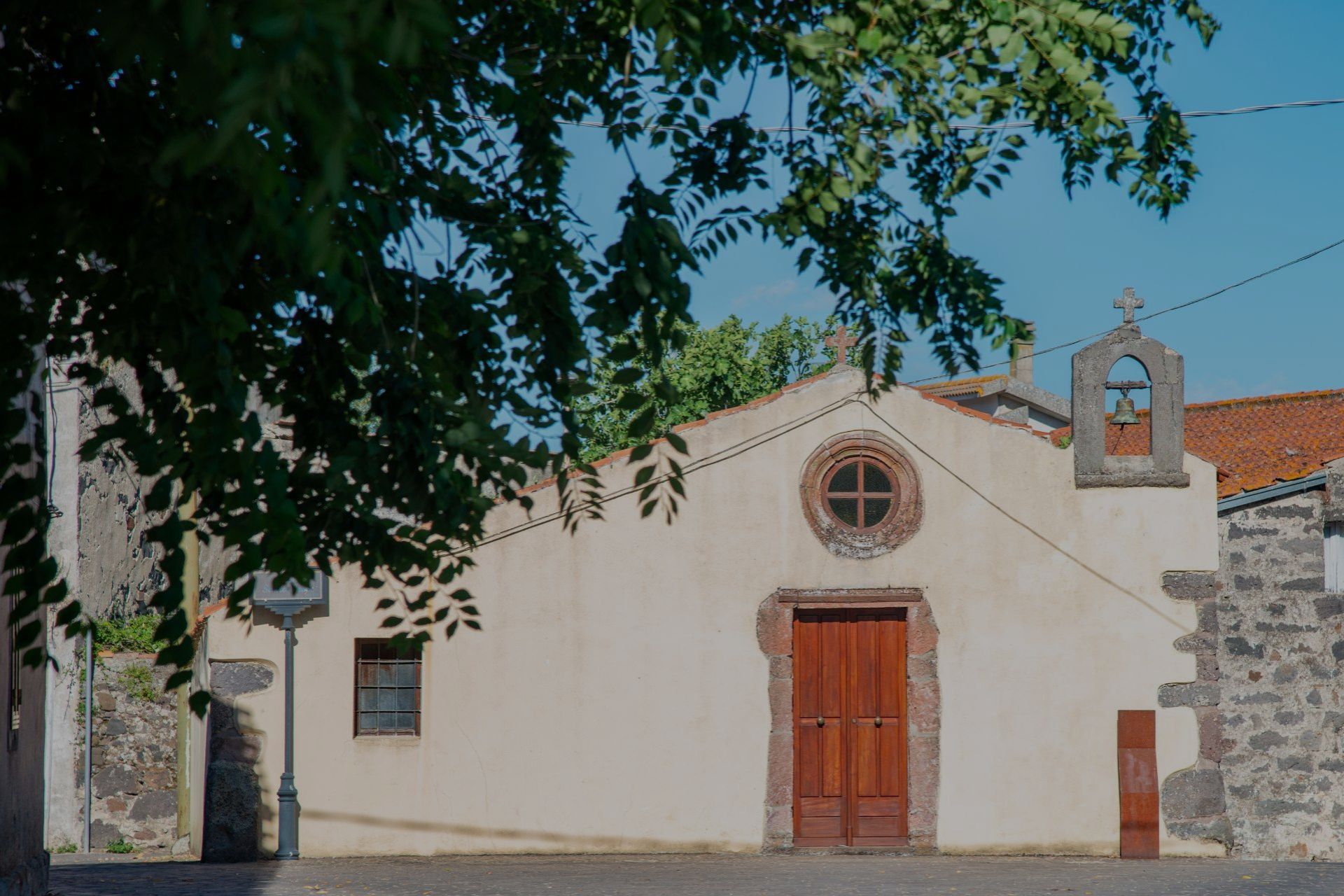
Chiesa di Santa Croce
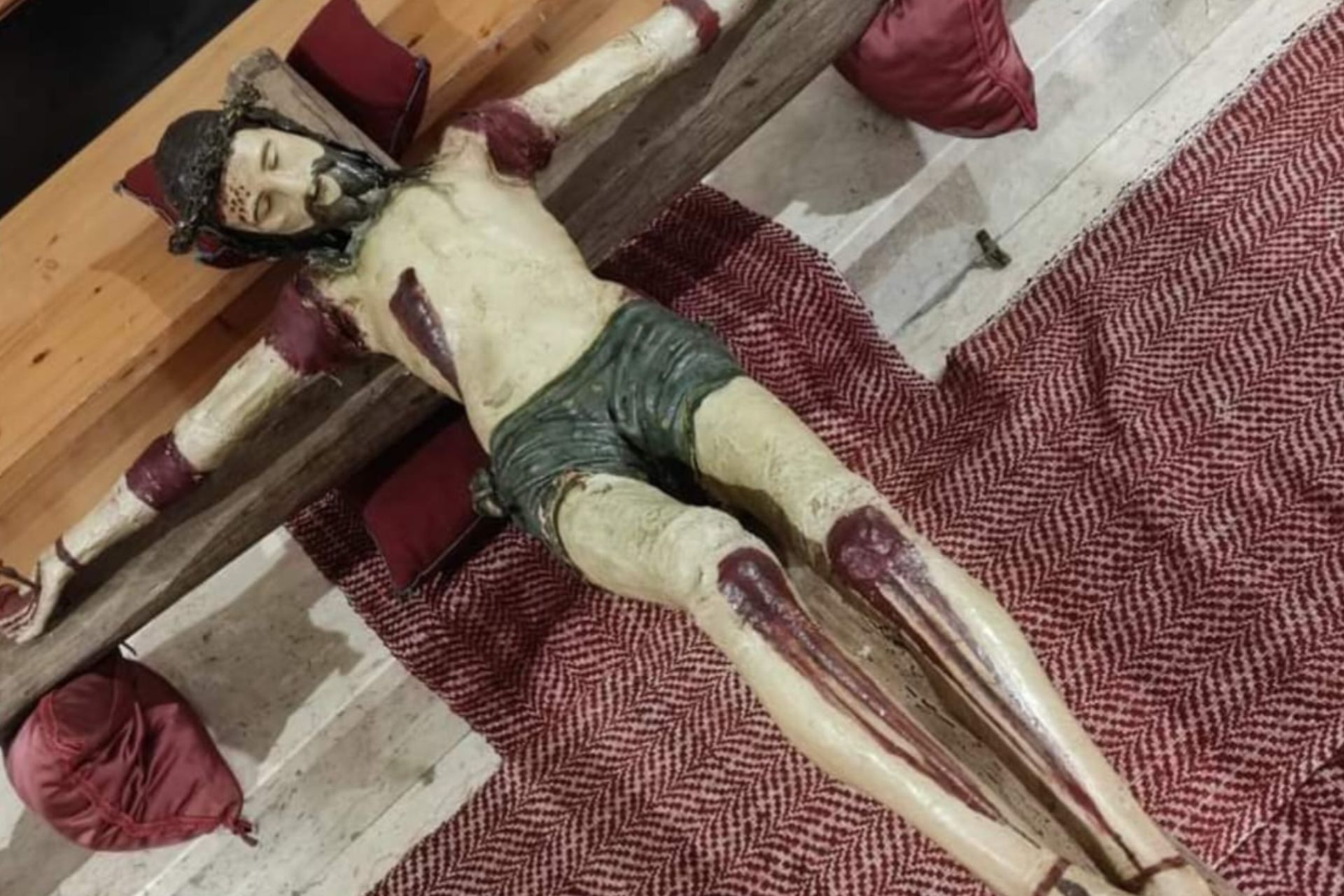
Cristo della Chiesa di Santa Croce
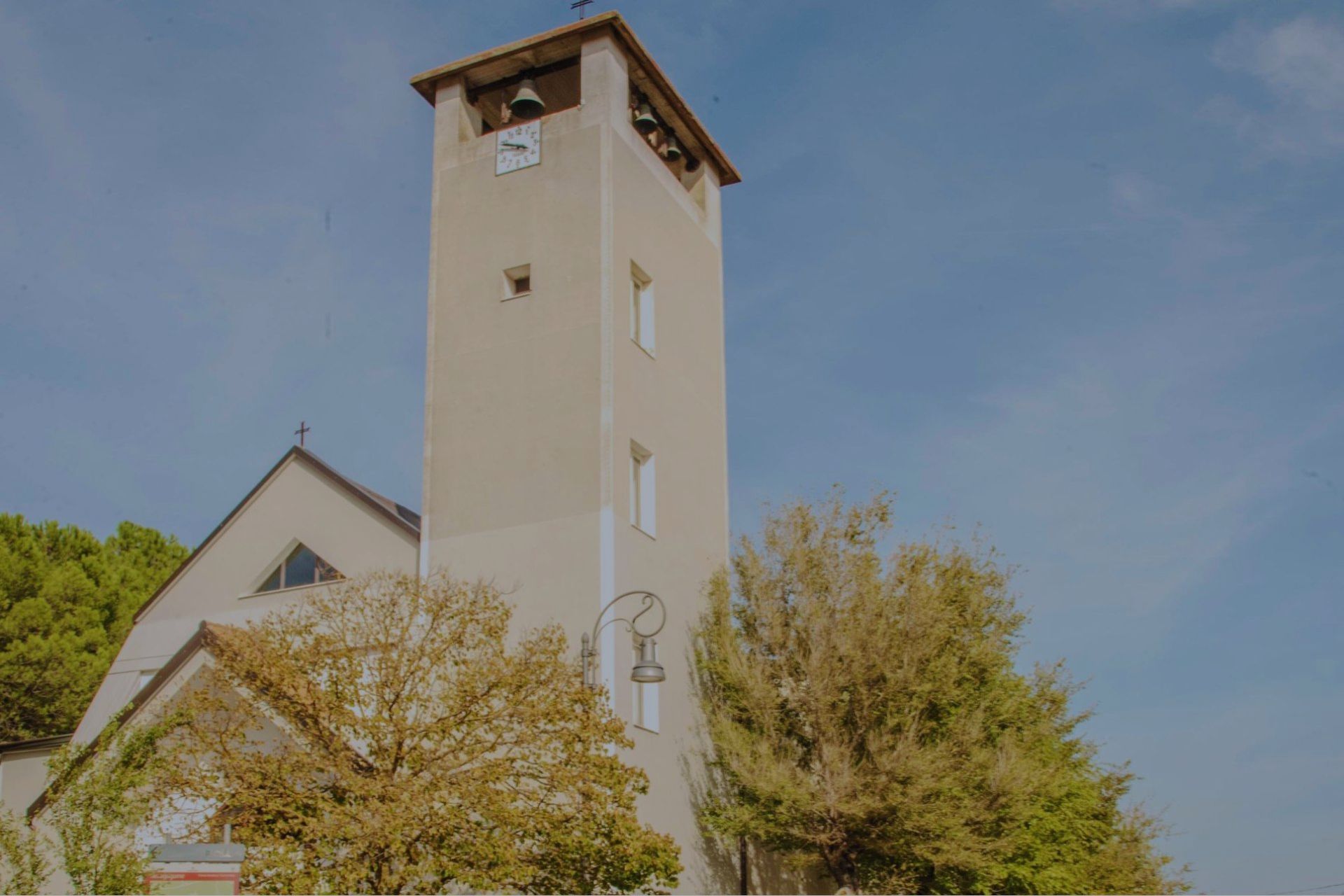
Chiesa Parrocchiale di San Giacomo
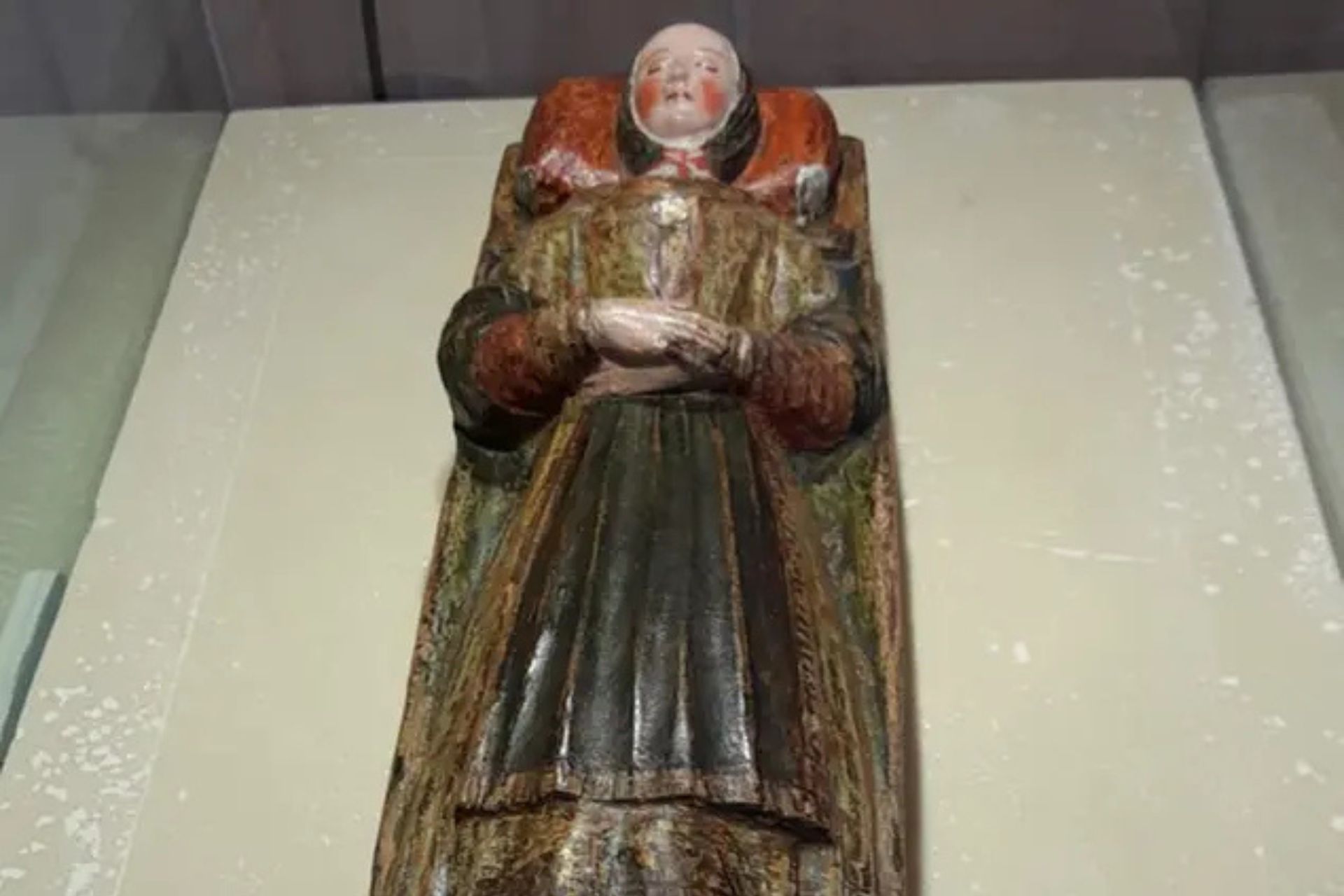
Fanciulla di Noragugume
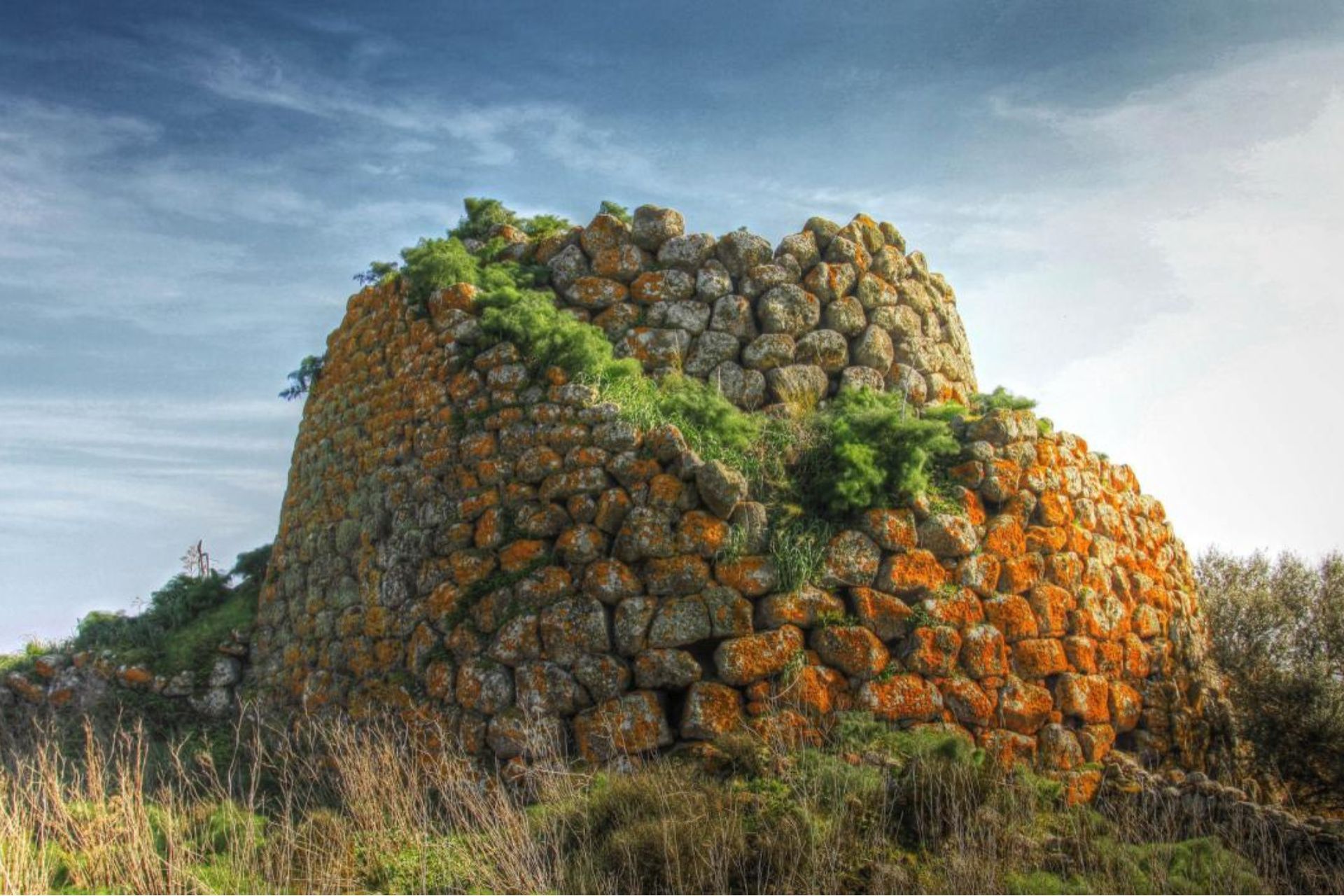
Nuraghe Tòlinu
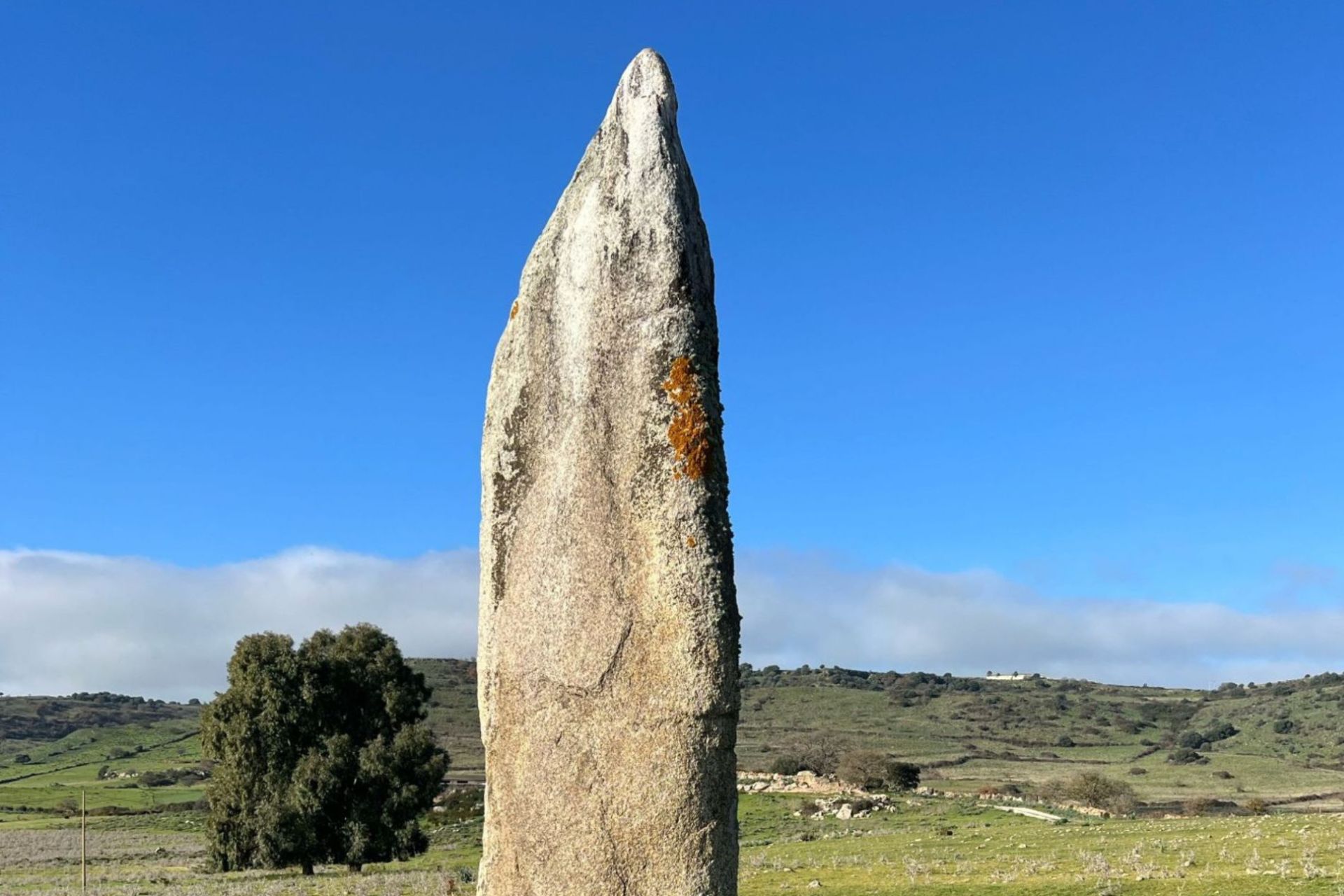
Menhir Sa Perda 'e Taleri